How UK Players Are Choosing Crypto Casinos in 2026: A Practical Guide to Evaluating the Top USDT Casinos for Safety, Speed, and Fair Play
How UK Players Are Choosing Crypto Casinos in 2026: A Practical Guide to Evaluating the Top USDT Casinos for Safety, Speed, and Fair Play
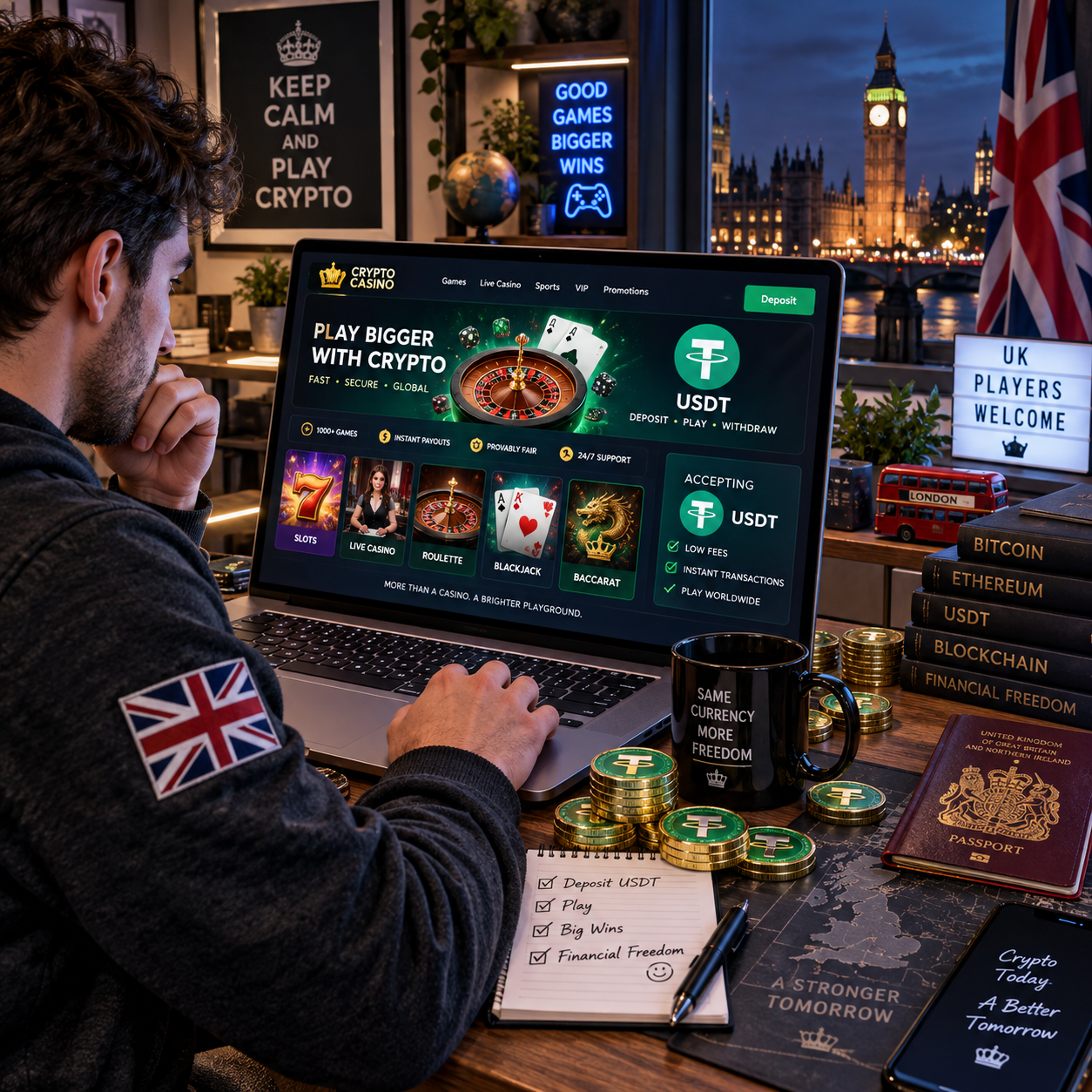
I've spent a good chunk of the past year digging through crypto gambling forums, comparing withdrawal receipts, and honestly just chatting with fellow punters here in the UK about where they're putting their money these days. The shift is real — I've watched it happen in real time. USDT casinos went from a niche curiosity to something a huge number of British players actually consider seriously, and I wanted to put together something practical. Not another glossy 'top 10' listicle. An actual guide for thinking this through properly, the way I wish someone had laid it out for me when I started.
What Makes USDT Casinos Different from Traditional Online Casinos
USDT, or Tether, is a stablecoin pegged to the US dollar. That means it doesn't swing wildly in value the way Bitcoin or Ethereum can within a single gambling session — and that stability is exactly why so many UK players have warmed to it. You deposit £100 worth of USDT, and it's still roughly £100 worth when you cash out later that evening, regardless of what the wider crypto market's doing that day. Traditional online casinos rely on card processors, e-wallets, and bank transfers instead. All of which come with their own delays, fees, and — increasingly — restrictions from UK banks that flag gambling-related transactions on sight.
Blockchain-based platforms also offer a layer of transparency that fiat casinos simply can't match. Transactions get recorded on a public ledger, so there's a verifiable trail for every deposit and withdrawal. That doesn't automatically make a casino trustworthy, mind you. But it does mean the financial mechanics are harder to obscure than with opaque banking systems where you're basically just trusting the institution's word.
How USDT Transactions Work in Online Gambling
The mechanics are fairly straightforward once you've done it a couple of times. You'll need a crypto wallet — something like Trust Wallet, or a hardware wallet if you're being cautious — and you'll typically choose between TRC-20 (Tron network) or ERC-20 (Ethereum network) versions of USDT. TRC-20 tends to be the popular pick among casino players because transaction fees are minimal and confirmations happen fast, often within seconds to a couple of minutes. ERC-20, while widely supported, can carry higher gas fees during busy periods on the Ethereum network — I've been burned by this myself, watching a small transfer suddenly cost more in fees than it should've. Once you deposit, funds usually credit to your casino account almost instantly after network confirmation. Withdrawals work in reverse: the casino sends USDT to your wallet address, which you then convert or cash out through an exchange if you need actual pounds in your bank.
Why UK Players Are Shifting Toward Crypto Casinos in 2026
A lot of this comes down to friction — or rather, the removal of it. UK banks have grown noticeably stricter about gambling transactions over the past few years, sometimes declining card payments outright or flagging accounts for review. Players got tired of that hassle. Crypto payments sidestep the traditional banking gatekeepers entirely, which means fewer declined transactions and none of that awkward 'why is my card being blocked' conversation with customer service that nobody wants to have twice.
There's also the privacy angle. Depositing via USDT doesn't require handing over full card details to every platform you sign up for, which cuts down your exposure to data breaches. And then there's speed — withdrawals that might take three to five business days through a traditional bank often clear within an hour via crypto. So it's worth saying clearly, without any sugarcoating: most of these platforms operate offshore, licensed outside the UK's own gambling framework. Players need to go in with eyes open and take personal responsibility for understanding the jurisdictional nuances rather than assuming UK consumer protections just automatically apply. They don't, not in the way people expect.
Safety First — Evaluating Licensing, Security, and Reputation
Before I deposit a single penny's worth of USDT anywhere, I check the licensing footer. Every time. Curacao eGaming licenses are common among crypto casinos, and while they're less rigorous than the UK Gambling Commission, they still require operators to meet baseline standards. Malta Gaming Authority licenses are generally viewed as more robust — worth knowing the difference before you assume all licenses mean the same thing. Beyond licensing, look for SSL encryption on the site (the padlock in your browser bar is a quick, if pretty basic, indicator), and check whether the platform actually discusses cold wallet storage for player funds. That's shorthand for: the bulk of deposits sit offline, away from hackers, rather than sitting in some hot wallet waiting to get drained.
Independent audits matter too. Reputable platforms often publish results from third-party security firms or list partnerships with known auditing companies. Red flags? Vague 'About Us' pages, no visible license number, or customer support that dodges direct questions about fund security. If a site can't answer basic questions about where your money sits between deposit and withdrawal — that's a problem, plain and simple.
Reading Player Reviews and Community Feedback
Marketing copy will always tell you a casino is fast, fair, and trustworthy. That's just the job of marketing copy, and I don't put much stock in it anymore. What I actually trust more is scrolling through Trustpilot reviews looking specifically for withdrawal complaints, and checking Reddit threads like r/GamblingCasino or crypto-specific subreddits where players are refreshingly blunt about their experiences — sometimes brutally so. Patterns matter more than individual complaints. If dozens of reviews mention delayed withdrawals or unresponsive support, that's a signal worth heeding regardless of how polished the homepage looks. A pretty website tells you nothing about whether they'll actually pay you.
Speed Matters — Comparing Deposit and Withdrawal Times
This is where crypto casinos genuinely shine compared to old-school methods. A bank transfer withdrawal from a traditional UK casino might sit 'pending' for two to five business days — you know the drill, refreshing your banking app for no good reason. USDT withdrawals, by contrast, often process within thirty minutes to a few hours once approved by the casino, with the blockchain confirmation itself taking mere seconds to minutes on TRC-20 networks. Deposits are essentially instant. Fast. Genuinely fast.
That said, speed varies a lot between operators, and minimum or maximum withdrawal limits can quietly slow things down if you're moving large sums that trigger manual review. When I'm researching which platforms actually deliver on their speed claims rather than just advertising them, I find it useful to consult a curated comparison instead of relying purely on a single site's own marketing copy. Resources like the top usdt casinos list give a decent starting point for cross-referencing withdrawal times and reliability before you commit any real funds.
Fair Play Verification — Provably Fair Systems and RNG Certification
Provably fair systems use cryptographic hashing so players can verify, after the fact, that a game outcome wasn't manipulated. Essentially, the casino generates a seed value before the round, hashes it, and shows you the hash beforehand — then reveals the seed afterward so you can confirm the result actually matches. It's a neat use of blockchain-adjacent transparency that traditional casinos simply don't offer, and I still think it's underrated as a trust signal.
Beyond provably fair mechanics, look for RNG certification from bodies like eCOGRA or iTech Labs. These independent testers verify that random number generators produce genuinely random, unbiased outcomes — no thumb on the scale. A casino displaying both provably fair tools and third-party RNG certification is giving you two separate, verifiable reasons to trust the games aren't rigged. Not just one.
Practical Tips for Choosing the Right USDT Casino
Here's the checklist I actually run through before signing up anywhere:
- Start with a small test deposit — enough to try a withdrawal without risking much if something goes wrong.
- Contact customer support with a genuine question before depositing, and gauge response time and quality.
- Read bonus terms carefully, particularly wagering requirements attached to crypto deposit bonuses, which are sometimes steeper than fiat equivalents.
- Set personal deposit and loss limits from day one, since crypto's ease of transfer can make impulsive top-ups dangerously simple.
- Confirm which USDT network the casino supports (TRC-20 vs ERC-20) to avoid sending funds through the wrong network and losing them.

Common Mistakes UK Players Should Avoid
The most common slip-up I see is players ignoring KYC (know-your-customer) requirements, assuming crypto means total anonymity forever — then getting blindsided when a large withdrawal triggers identity verification and gets frozen for days. Frustrating, and entirely avoidable if you'd just read the terms first. Another frequent mistake is overlooking withdrawal fee structures; some platforms advertise 'fast withdrawals' but bury network or processing fees in fine print that quietly eat into your winnings.
Chasing bonuses without reading the wagering terms is a classic trap too — that 200% deposit match looks great until you realize the wagering requirement is 50x and capped to specific games. Suddenly that bonus isn't quite the gift it seemed. And finally, plenty of UK players jump into offshore platforms without ever checking whether that specific casino accepts UK residents legally, or whether it excludes them from certain protections. A little due diligence upfront saves a lot of frustration later. Honestly, that's the whole point of treating this as a practical exercise rather than a gamble in itself.