How Crypto Casino Platforms in the UK Are Investing in Green Energy: Exploring Biogas Innovation and Sustainable Gaming Practices in 2026
How Crypto Casino Platforms in the UK Are Investing in Green Energy: Exploring Biogas Innovation and Sustainable Gaming Practices in 2026
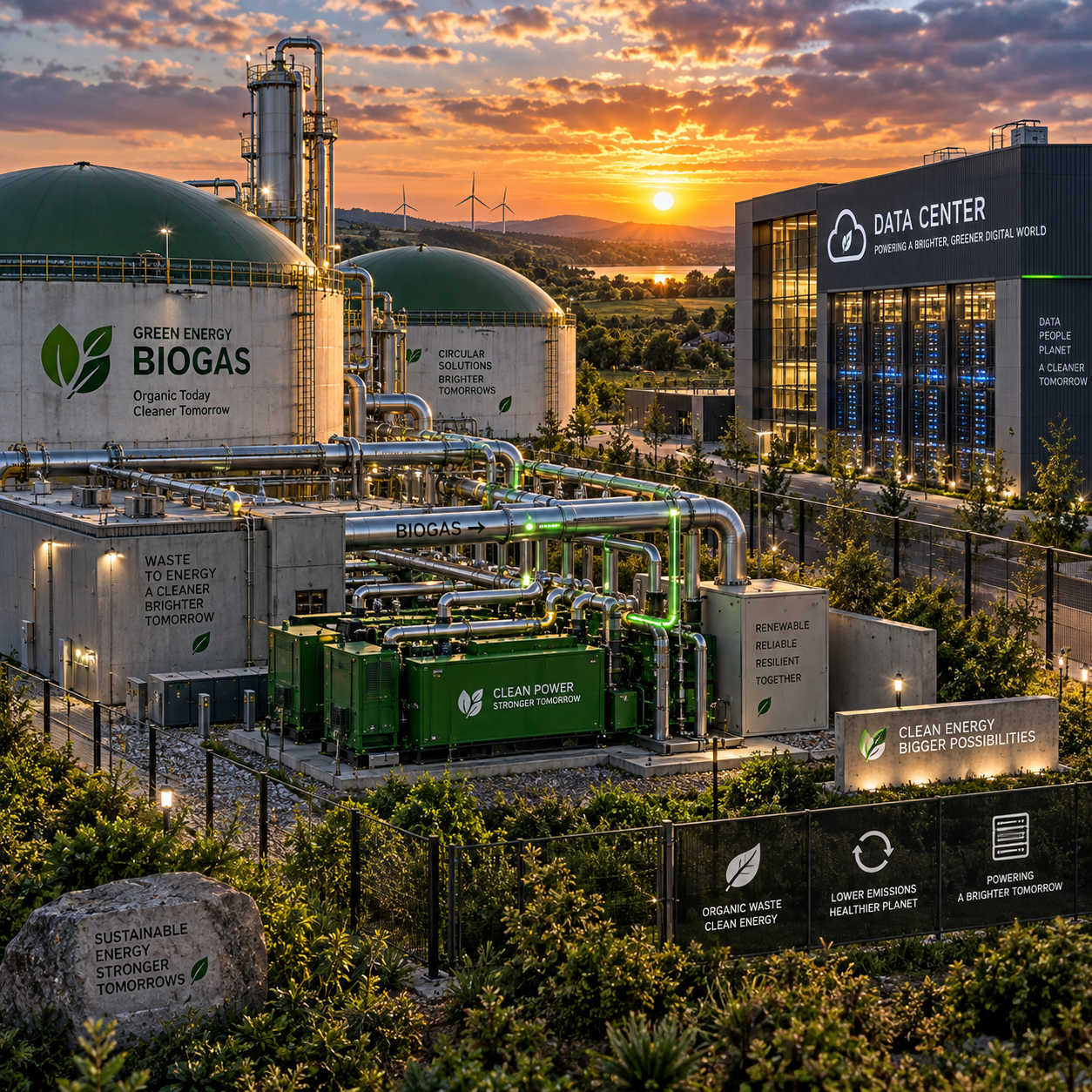
I've spent the last few years covering the UK's online gambling scene, and if there's one shift that's caught my attention lately, it's the sudden seriousness with which crypto casino platforms are approaching their energy footprint. Not too long ago, sustainability was a footnote in press releases. Now, in 2026, it's practically a headline feature. The reason is simple: crypto casinos run on blockchain infrastructure, and blockchain infrastructure runs on electricity — a lot of it. Add in the server farms needed to keep games live around the clock, and you've got an industry quietly consuming more power than most players ever stop to consider.
The UK gambling market has embraced crypto casinos with real enthusiasm, drawn by faster payouts, provably fair game mechanics, and a level of anonymity traditional platforms can't match. But that growth has a shadow side. Every transaction verified on-chain, every server cooling fan spinning in a data center, adds up. As operators scale, so does their carbon footprint, and that's exactly the tension this article wants to unpack.
Why Green Energy Is Becoming a Priority for Online Gambling Platforms
It's not just idealism driving this change. UK regulators have been tightening expectations around corporate transparency, and environmental reporting is increasingly part of that conversation. Meanwhile, players themselves — especially the younger, crypto-savvy demographic that fuels much of this market — are asking harder questions about where their entertainment dollars (or rather, tokens) actually go. ESG considerations, once reserved for boardroom slides, are now showing up in casino marketing copy and terms-of-service pages.
I've noticed operators leaning into this shift as a genuine differentiator rather than a compliance checkbox. Platforms that can credibly say 'we're powered by renewable energy' are starting to win loyalty points with a segment of players who care as much about environmental impact as they do about RTP percentages.
UK Regulatory and Consumer Pressure on Energy Use
UK gambling regulators haven't mandated specific energy sourcing rules yet, but the direction of travel is clear. Broader corporate sustainability disclosure requirements are trickling down into every digital sector, gambling included. Combine that with consumer pressure — forums full of players scrutinizing which operators publish sustainability reports — and you get a market that's self-policing faster than legislation can catch up.
Biogas as an Emerging Green Energy Solution
This is where biogas enters the picture, and honestly, it's one of the more interesting developments I've followed this year. Biogas is produced when organic waste — think agricultural residue, food scraps, or manure — breaks down in the absence of oxygen, releasing methane-rich gas that can be captured and converted into electricity or heat. It's not a new technology, but its application to digital infrastructure is relatively fresh.
What makes biogas appealing for powering server farms and data centers is its scalability. You don't need vast tracts of land like solar farms require, and you're not dependent on weather patterns the way wind power is. For an industry that needs servers running 24/7, that reliability matters enormously.
How Biogas Compares to Solar and Wind for Continuous Power Needs
Solar and wind are fantastic tools in the renewable arsenal, but they're intermittent by nature. Cloudy days and calm winds mean gaps in supply that require battery storage or grid backup. Biogas, by contrast, can produce a steady, predictable output because it's not tied to daylight or atmospheric conditions. For crypto casinos that can't afford downtime — even a few minutes of server lag can mean lost transactions and frustrated players — that continuity is a genuine operational advantage.
How UK Crypto Casino Platforms Are Investing in Biogas Innovation
Here's where things get genuinely exciting from an industry-watcher's perspective. A handful of forward-thinking UK-based crypto casino operators have started funding or partnering with biogas research initiatives, aiming to power at least a portion of their server infrastructure through decentralized, organic-waste-based energy systems. It's not yet the norm across the sector, but it's no longer a fringe experiment either.
These partnerships often connect gambling operators with agricultural or municipal waste producers, creating a supply chain that turns what would otherwise be landfill material into usable electricity. It's a neat closed-loop story that plays well with both regulators and environmentally conscious players.
Micro-Scale Biogas Projects and Their Relevance to Digital Infrastructure
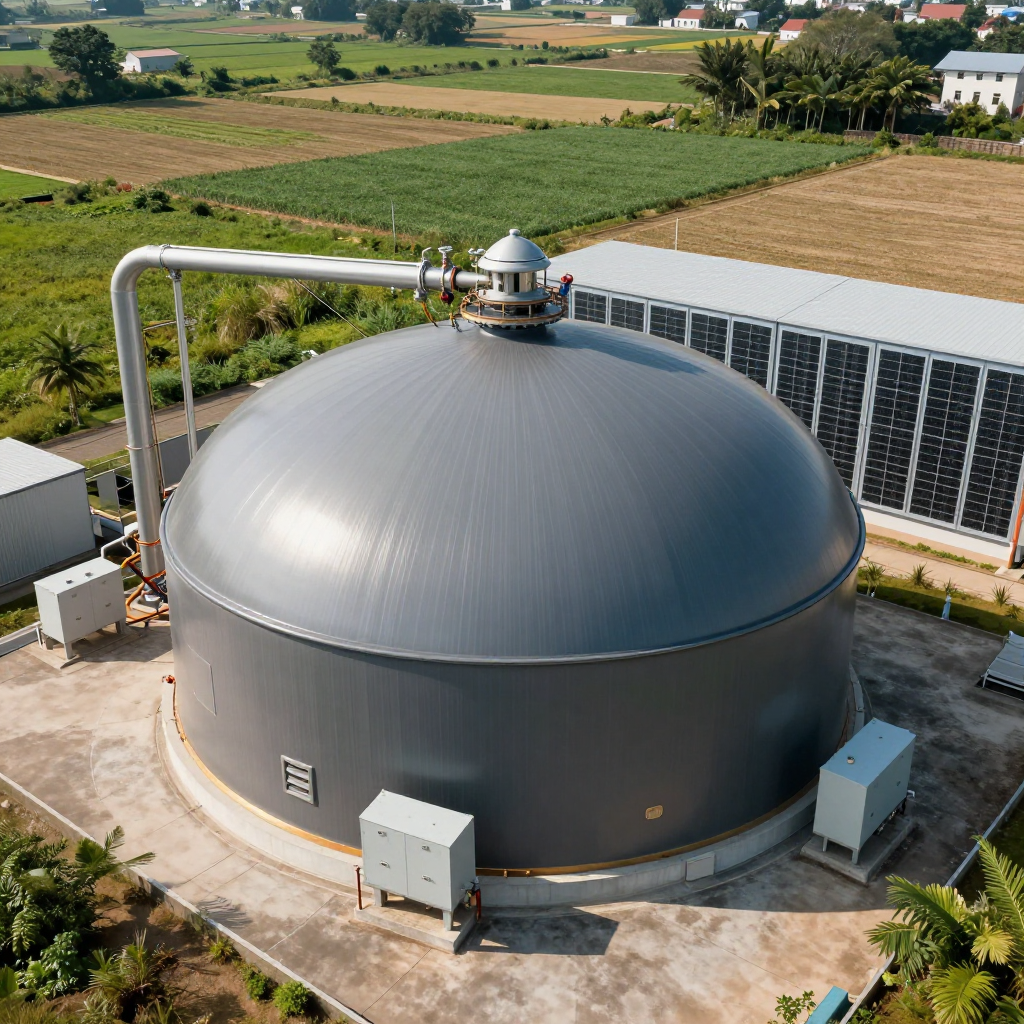
What's particularly relevant here is the rise of micro-scale biogas plants — smaller, decentralized facilities that can be installed closer to where the energy is actually needed, rather than relying on massive centralized power stations. EU-backed research into micro-scale biogas technology has explored exactly this kind of localized deployment, and the parallels to digital infrastructure are hard to miss. A data center supporting regional server clusters for an online casino doesn't need a national grid overhaul; it could, in theory, draw power from a nearby micro-biogas facility processing local organic waste. It's an elegant solution that keeps energy production close to consumption, reducing transmission losses along the way.
Benefits of Sustainable Energy Adoption for Crypto Casino Operators
The upside for operators willing to make this investment is substantial. Over time, biogas and other renewable sources can reduce operating costs compared to volatile fossil fuel pricing. There's also a brand reputation dividend — being able to genuinely market yourself as a green-powered platform resonates with a growing segment of ethically minded crypto users.
- Long-term energy cost stability compared to fluctuating fossil fuel markets
- Access to UK green finance incentives and grants tied to renewable infrastructure
- Stronger trust and loyalty among environmentally conscious crypto gamblers
- Competitive differentiation in an increasingly crowded crypto casino market
Challenges in Transitioning to Green Energy for Gambling Platforms
None of this comes without friction, of course. Upfront infrastructure costs for biogas integration remain high, and not every operator has the capital or patience for a multi-year payback period. Technical integration is another hurdle — aligning renewable energy supply with the always-on demands of blockchain verification and live game hosting requires careful engineering, particularly during peak traffic periods like major sporting events or holiday weekends.
There's also the question of supply chain reliability. The UK doesn't yet have a dense, mature network of biogas producers capable of supporting large-scale digital infrastructure everywhere it's needed. Building that network takes time, coordination, and, frankly, more pioneering operators willing to take the early-adopter risk.
The Future of Sustainable Gaming: What to Expect Beyond 2026
Looking ahead, I expect we'll see more formal partnerships between crypto casino operators and renewable energy research bodies, possibly including biogas cooperatives springing up specifically to serve digital infrastructure clients. UK green energy policy continues to evolve, and incentive structures are likely to become more favorable for operators who commit early. Industry-wide sustainability benchmarks — something like an energy transparency scorecard for gambling platforms — could become a genuine differentiator players use when choosing where to spend their crypto.
I also suspect the micro-scale biogas model will gain more traction precisely because it fits the decentralized ethos that already underpins much of the crypto casino world. Small, local, resilient energy systems mirror the same principles that make blockchain appealing in the first place.
Sustainability in the crypto casino space isn't a passing trend anymore — it's becoming baked into how serious operators plan their infrastructure for the years ahead. Biogas innovation, especially at the micro-scale, offers a genuinely promising path forward, one that aligns environmental responsibility with the practical, always-on demands of digital gambling. As 2026 unfolds, I'll be watching closely to see which platforms turn this momentum into lasting change, and which ones simply talk about it.